
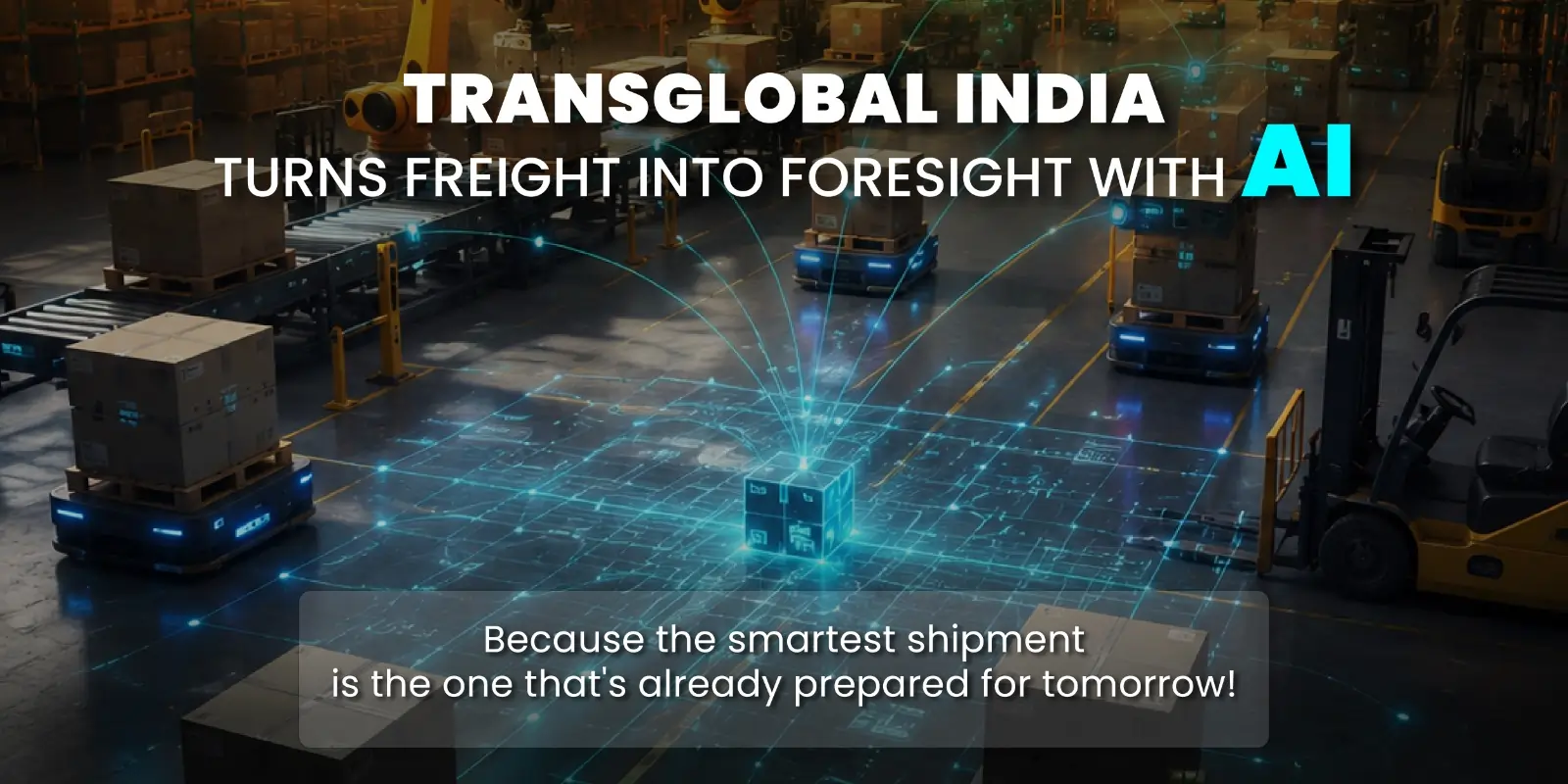
The logistics industry is witnessing a significant change in 2026 that is based on digitization, growing customer expectations, and the concept of working towards a global marketplace. The freight forwarders and transport firms should review their strategy and outlook on logistics, and strive to adapt to the new market landscape. Here are some logistics trends that will affect the future:
Trend 1: An increase in the number of processes and predictive analytics that rely on AI. Within logistics, there are many processes that are becoming increasingly vital and using artificial intelligence (AI). AI can be used to streamline supply chain, reduce costs, and automate repetitive tasks. Additionally, it aids firms in learning more about their behaviour. In the context of transportation and shipment management, AI can help predict possible disruptions and delays in the delivery process, so that alternate arrangements can be made. Especially crucial to ensure the customer is made aware of any changes in their shipment.
Trend #2: End-to-End Shipment Tracking Shippers and forwarders are beginning to put more money into streamlined shipment tracking service — providing full transparency with customers about the supply chain.
For example, location and real-time conditions of a shipment can be tracked using GPS tracking, telematics, and IoT sensors. This helps to reduce customer queries on the shipment and helps to manage the supply chain process. So, having the ability to track the goods from the point they leave the factory to the moment they are delivered to the customer is paramount to a top-class logistics provider and can help improve customer satisfaction.
Trend 3: Going Green and Sustainability Companies in the logistics and transportation industry are increasingly environmentally conscious and sustainable.
Customers are leaning towards logistics companies that make conscious efforts to adhere to the standards of sustainability. This is reflected in a few aspects such as reducing emissions and different sources of fuels. Therefore, freight forwarders, logistics companies are making significant investments in becoming green and sustainable to gain more customers. Not only that, sustainability in logistics is not a choice, but a requirement.
Trend 4: Ramping up the use of automated warehouses.
During the storing and picking process, the logistics industry is utilising automated warehouses increasingly. As the demand for speedier goods delivery and more ecommerce sales grows, forwarders and transport companies are moving towards automation in their warehouses. Automated systems assist workers with greater accuracy and speed in picking, scanning, packing and sorting items. Supplier Diversity. Trend 5: Supply Chain Resilience.
After multiple disruptions in their supply chains and logistics with issues of pandemic and politics, several multinational companies are rethinking their supply chain and logistics solutions. The companies are reducing the number of regions that they are involved in their supply chain network, and they are seeking alternative methods and partners in case the existing supply chain fails. So, in 2026, the companies in logistics are helping companies to be resilient in their supply chains. Accordingly, clients are increasingly prioritizing this element and are incentivizing logistics providers to be more agile in the face of disruptions.
Trend 6: Improved Customer Experiences The logistics industry is a fiercely competitive one, and companies are seeking to differentiate themselves with superior customer service and quicker turnaround times.
Moreover, forwarders and shippers are employing shipment tracking software and electronic documents for better customer experience. Additionally, timely tracking messages and great customer service foster a sense of trust between the client and logistics provider and help to strengthen the client’s relationship with the logistics company to promote further contract renewals. The power of data analytics is utilized: Data analytics is a huge factor in the logistics sector and can aid companies to improve various aspects such as logistics, transportation and warehousing. Companies are leveraging relevant data to change the way business decisions are made and to gain a competitive edge. In addition, they are employing data to streamline costs and boost productivity. Data analytics can be used to optimize the delivery process, reduce costs and determine the best route for transportation.
Final Word Clearly, the logistics industry of the future is built on the use of the latest technology and improved customer experiences.
Businesses that are implementing AI and automation to optimize their workflow and improve customer service will be in for a treat! Furthermore, over the years, businesses that are looking into a green approach will gain more customers. For freight forwarders and logistics companies, 2026 will be a pivotal year that will be crucial for their future success.
Meet the Author
This article is authored by Jeswina Jansen, Assistant Manager – Customer Service, from Mumbai who is passionate about sharing industry knowledge and practical insights.
