
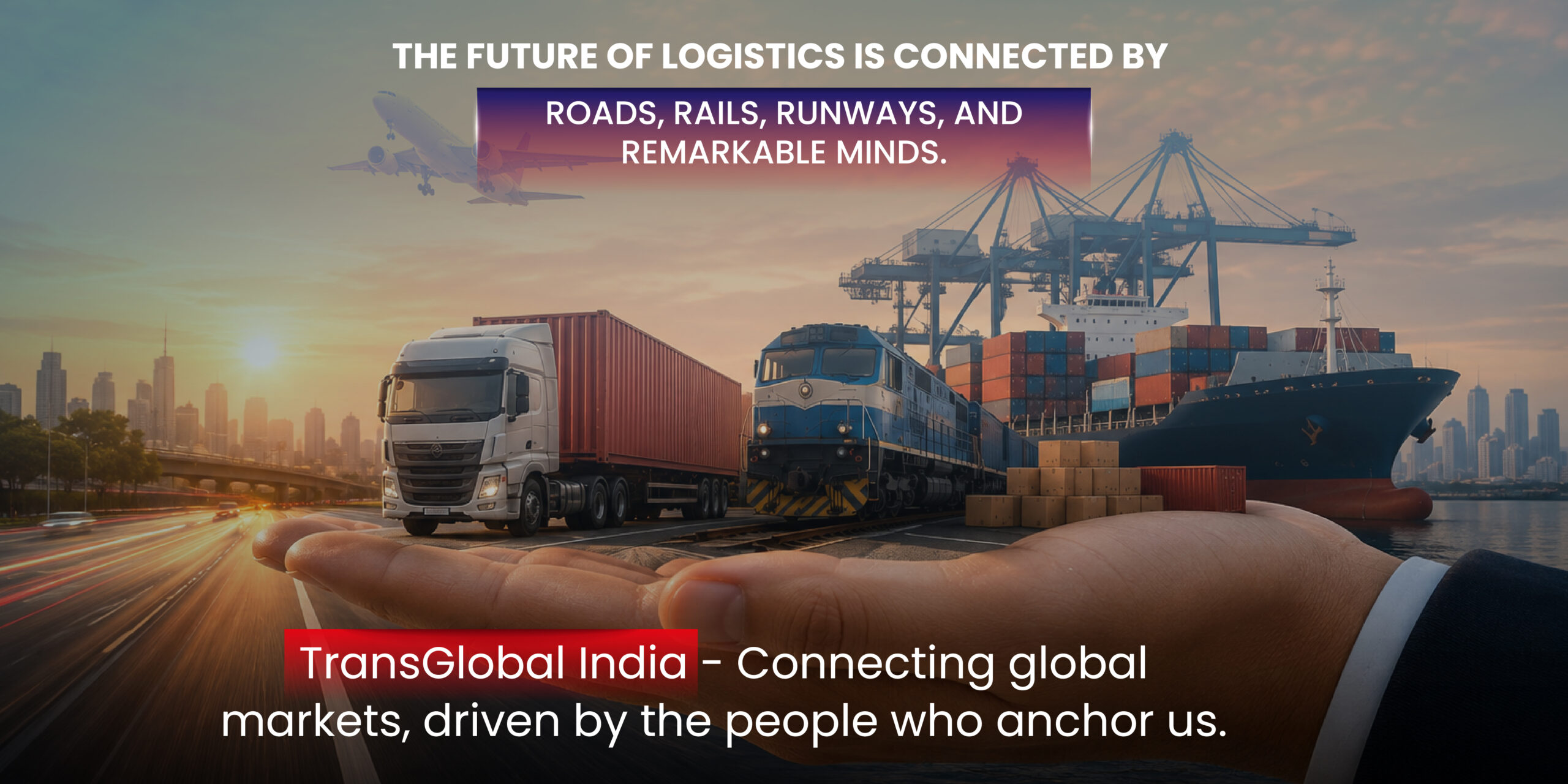
The image that comes to mind when we consider the logistics sector is often one of trucks on the road, containers at ports, 24/7 warehouses, and deliveries that meet customers’ deadlines. But, with each successful delivery comes a committed, team of professionals who work tirelessly to ensure operations run smoothly. As an HR Director of a logistics company, I know that logistics is not a mere transportation service, it’s a business of people that enable the transportation of goods. From the warehouse executive to a customs specialist, transport coordinator, sales person or customer service executive, everyone plays a role in achieving excellence. One of the top priorities for Human Resources has become recruitment and retention of this workforce.
The logistics industry is changing quickly.
In the past few years, the logistics industry has undergone a lot of changes. Today, customers demand quicker delivery times, instant tracking of shipments, digital documents, and smooth service. Meanwhile, companies are embracing automation, AI, data analytics and cloud-based logistics solutions to enhance their efficiency. Technology is changing the way things are done, but it can’t take the place of people. While technology can help streamline processes, employees are still making key decisions, addressing customer problems, coordinating shipments and making sure commitments are met. That’s where HR is absolutely integral: preparing people for success in a rapidly changing environment.
Finding the right person to join your team.
Hiring the best person for the job. Attracting skilled people to work in the logistics industry is probably one of the largest challenges today. The need for candidates with only technical skills is no longer enough; today, organizations are seeking workers who can communicate well and being able to solve problems in a timely manner, who are adaptable to change, who can collaborate effectively across teams. HR’s job is to find people who have the skills but also fit into the organization’s values and culture. The careful recruitment process helps make sure that new employees are ready to contribute as soon as they come on board and will continue to develop with your organization over the years.
Designing a Good Employee Experience
Recruitment is just the initial phase of an employee’s journey. Positive onboarding, regular communication, ongoing feedback, and learning opportunities contribute to staff connection to the organization. Employees are more productive when they know exactly what is expected of them and can easily access support when their jobs involve multiple branches, strict deadlines, and cross-functional coordination, such as in logistics. HR serves as a liaison between the employees and management, ensuring transparency and trust within the organisation.
This infographic presents data on upskilling for the future.
With the logistics industry becoming more and more technology-integrated, learning is no longer an option but a necessity. Staff must be kept informed about digital tools, regulations, customer service and operations. A company’s employees are better equipped to change with industry development when the organization invests in employee growth. HR is crucial in determining training requirements, arranging training programmes and motivating staff to acquire new skills that can aid their own development and the success of business.
Employee Engagement leads to improved Performance
The logistics sector is a stressful business. Busy workloads, unforeseen contingencies and fluctuating customer needs may lead to stressful working environments. In these times, employee engagement is even more crucial. Attention to employee achievements, celebratory milestones, collaboration and listening to employee input, are just a few simple things that help build a positive culture. Treated well employees are more productive, motivated and committed to goals. Workplaces that foster appreciation and open communication also see better collaboration and retention, and overall better productivity.
Well-being is a Business Priority.
The people who make the most of their work and who have their private lives are behind every successful operation. Caring for the well-being of employees is no longer a HR effort, but a business requirement. Supportive policies – when feasible, employee awareness regarding mental wellness, routine manager check ins, and an open culture can help employees stay motivated and resilient. Employees with good health are more involved, better decision makers, and more successful at contributing to the success of the company.
HR as a Strategic Partner.
Industrial human resources do not have to just recruit and deal with payroll administration. They play a critical role in the growth of the business by fostering and developing competent teams, enhancing the organizational culture, driving employee retention, and nurturing leaders of tomorrow. In the logistics sector with a people sensitive nature of service, HR is now a strategically to the business goal. All hiring decisions, all learning experiences and all employee engagement programs help ensure operational excellence and customer satisfaction.
Looking Ahead
Innovation digitalisation and evolving customer expectations will continue to drive the future of logistics. But, nothing can be substituted for the traits of commitment, cooperation, flexibility, and leadership. As HR professionals, our job is to make our work environment a place that is respectful, supportive and motivating for our employees to do their best work. Investing in people is a way of organizations improving their capacity to provide excellent service and sustainable growth. Whether it’s a high-tech solution or a well-established network, the key to any logistics company’s success is the people behind the scenes, working tirelessly each day. Investing in their employees is investing in the future of logistics itself.
Penned by Arpita Shetty, Senior Executive – Human Resources, Mumbai, who believes that people are the driving force behind every successful logistics organization.
